
I - General Overview of Hemp
1. Hemp Cultivation
The History of Hemp
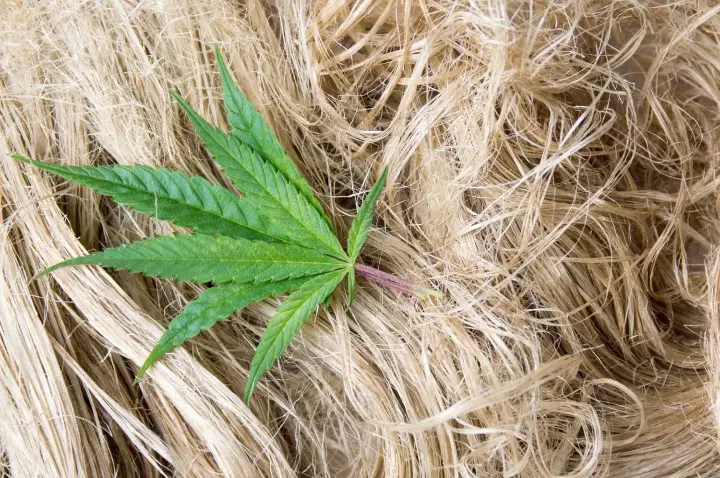
Hemp (scientifically known as Cannabis sativa L.), also referred to as industrial hemp, China hemp, or "male hemp," is an annual herbaceous plant belonging to the Cannabaceae (mulberry) family. It is a highly versatile crop where the entire plant can be utilized for industrial purposes.
Hemp stands as the pioneer natural fiber used by humankind for textile weaving, with a rich history of cultivation and utilization spanning over 8,000 years. In ancient Chinese history, hemp was recognized as a vital crop, categorized among the "Five Grains" alongside millet, wheat, and beans. It is important to note that "Cannabis" in this historical and industrial context refers specifically to industrial hemp.
Cultivation Characteristics and Applications
In China, hemp is classified into "industrial hemp" and "medical hemp" based on EU standards. Industrial hemp is defined as having a THC (Tetrahydrocannabinol) content of less than 0.3%, and the hemp used for textiles falls strictly within this category.
Hemp is an easy-to-grow crop with low input requirements and high environmental adaptability. It thrives in poor soil conditions, exhibits strong resistance to adverse environments, and has a broad growth distribution. The plant is heliophilic (light-loving), possessing high photosynthetic efficiency and a rapid growth rate with minimal fertilizer needs.
The required rainfall for optimal development is approximately 500–700 mm; however, the plant is remarkably drought-tolerant. If there is natural rainfall during the growing season, supplemental irrigation is almost unnecessary.
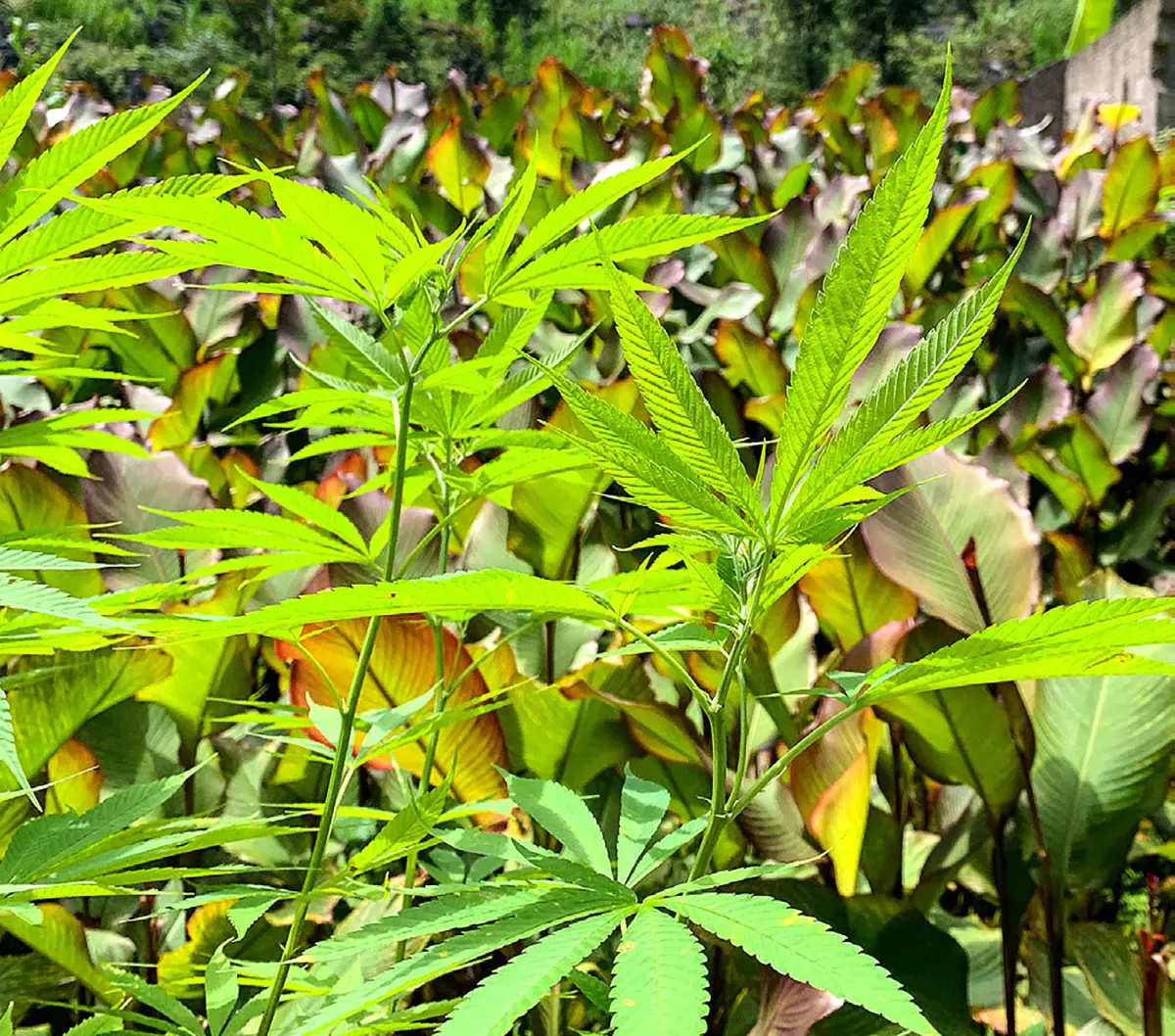
Hemp as an Eco-friendly Economic Crop:
- Soil Enrichment: Improves the organic matter content in the soil.
- Input Efficiency: Reduces the overall demand for fertilizers.
- Phytoremediation: Capable of absorbing and filtering pesticide residues.
=> Contributes significantly to the enhancement of agricultural system sustainability.
2. Applications of the Hemp Plant
- Hemp Fiber: Utilized in textiles, papermaking, construction materials, and composite materials, among others.
- Hemp Seeds: Pressed for edible oil; the seed hearts (kernels) are used as food or medicinal ingredients.
- In recent years, the medicinal value of industrial hemp has garnered significant global attention. Over 500 compounds have been isolated from the hemp plant, including cannabinoids, polyphenols, organic acids, alkaloids, terpenoids, and flavonoids.
- Among these, the phenolic compounds of cannabis are widely researched and applied. The two primary components are THC and CBD. CBD extracted from industrial hemp is non-addictive and non-toxic, possessing antispasmodic, anxiolytic (anti-anxiety), and anti-inflammatory properties, making it highly valuable in pharmacology.
The use of hemp fiber was pioneered and remains most prevalent in China. Hemp fiber is a bast fiber (cellulosic fiber) located within the plant's stem, obtained through the process of decortication.
The application of hemp as a textile raw material originated in China. Known as the "King of Natural Fibers," it is a truly versatile natural fiber.
Hemp is a high-performance natural fiber with the following functional properties:
- Moisture-wicking and Breathable: Excellent absorption and air permeability.
- Mildew-resistant and Antibacterial: Natural resistance to mold and bacteria.
- Deodorizing: Effective odor-neutralizing capabilities.
- Radiation and UV Protection: Shields against harmful ultraviolet rays.
- Anti-static: Prevents static electricity buildup.
- And many other unique features.
Hemp, much like organic cotton, is a globally recognized eco-friendly fiber source, often considered superior to conventional cotton or flax (linen).
3. Current State of Hemp Cultivation
In China, the cultivation and processing of industrial hemp require approval from public security authorities. Currently, Yunnan and Heilongjiang are the two provinces permitted for legal cultivation. On March 6, 2019, the National Narcotic Control Commission issued the "Notice on Strengthening the Control of Industrial Hemp," suggesting that cannabis is a controlled substance under the 1961 Single Convention on Narcotic Drugs. However, in August 1975, the Convention clarified: "This Convention shall not apply to the cultivation of the cannabis plant exclusively for industrial purposes (fiber and seeds) or horticultural purposes." Consequently, industrial hemp is strictly limited to these two applications.
Historically, hemp cultivation in China focused on fiber and seed production; recently, medicinal hemp acreage has emerged in Yunnan. Nevertheless, textile applications remain the primary use of hemp in China. The hemp textile industry has expanded rapidly in recent years. Since 2016, the cultivation area has stabilized at approximately 20,000–30,000 hectares, with fiber production reaching 30,000–40,000 tons per year.
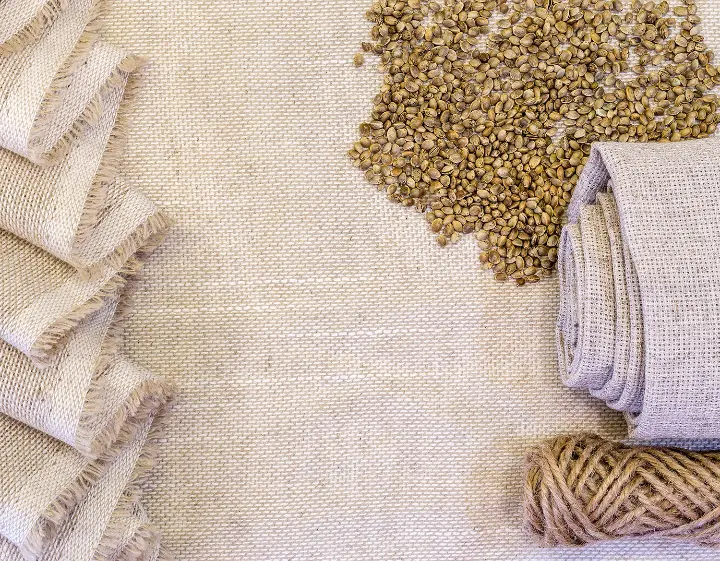
Heilongjiang is the leading cultivation hub, followed by regions such as Shanxi and Jilin. The vast, fertile "Black Soil" and climate of Heilongjiang are ideal for industrial farming and serve as China’s primary source of high-quality dried hemp. Since 2016, the cultivation area there has consistently exceeded 250,000 mu (a Chinese unit of land measurement).
II - The Hemp Textile Production Process
Currently, only China, Canada, Germany, and a few other nations possess advanced hemp textile technology. China holds the global leadership position, boasting a complete industrial chain that spans:
+ Cultivation
+ Fiber Processing and Treatment
+ Auxiliary Chemicals
+ Spinning and Weaving
+ Apparel and Home Textiles
+ Viscose Fiber Production
+ Diversified Industries: Papermaking, automotive interiors, construction materials, composites, food, medical supplies, activated carbon, and more.
China’s hemp industry accelerated during the 13th Five-Year Plan. Since 2018, as industrial and medical hemp were legalized in various countries, global interest in hemp products has surged. The industrial hemp cultivation area in China has grown rapidly, becoming the most significant variety within the country.
1. Hemp Textile Processing Roadmap
Cultivation → Harvesting → Hemp Bark → Natural Biological Retting → Fiber Separation (Decortication) → Long Fiber / Short Fiber (Tow) → Spinning → Weaving / Knitting → Hemp Textile Products
2. Outstanding Characteristics of Hemp Textiles
(1) Moisture-Wicking and Breathability
Hemp fiber features a hollow structure with numerous interconnected slits, capillaries, and longitudinal pores along the fiber shaft. This unique morphology facilitates rapid moisture dispersion, exceptional absorption, and efficient moisture release.
• Winter: Provides natural thermal insulation (keeps you warm).
• Summer: Offers a cool and comfortable sensation (keeps you cool).
→ Application: Ideally suited for premium apparel and home textiles.
(2) Antibacterial Properties
Hemp fiber possesses a porous structure with strong oxygen adsorption capabilities, which effectively disrupts the living environment of anaerobic bacteria. Furthermore, the hemp plant is rich in phenolic compounds, organic acids, and inorganic salts. These natural constituents provide robust antimicrobial action, capable of both killing and inhibiting the growth of a wide range of bacteria.
|
Criteria |
Hemp Fiber |
Conventional Cotton |
|
Antibacterial Mechanism |
Possesses a porous structure with strong oxygen adsorption, disrupting the habitat of anaerobic bacteria. Contains phenolic compounds, organic acids, and inorganic salts that provide potent antimicrobial and inhibitory effects. |
No inherent natural antibacterial mechanism; typically requires chemical treatment to achieve these properties. |
|
Mildew Resistance |
Natural resistance to mildew, mold, and pests. |
More susceptible to mold and mildew attacks in humid environments. |
|
Deodorizing Capability |
Natural odor-neutralizing ability thanks to its inherent antibacterial properties. |
Tends to retain odors caused by bacterial growth during sweat absorption. |
|
General Assessment |
Known as the "King of Natural Fibers" due to its powerful, self-sustaining bio-protective properties. |
A common fiber but lacks the high-performance natural bio-protective characteristics of hemp. |
The molecular structure of hemp fiber is highly stable with excellent molecular orientation. It possesses high specific electrical resistance and low electrification capacity. Among all bast fibers, the electrical resistance of hemp is second only to Ramie.
Due to its stable moisture regain (~12–30%), hemp fabric does not accumulate static electricity. This prevents dust adhesion, inhibits pilling (fuzzing), and eliminates the risk of electrostatic discharge.
(4) UV Protection, Sound Absorption, and Wave Shielding
The irregular cross-sectional structure and natural twist of the fiber facilitate effective dispersion and absorption of UV rays. Even without specialized chemical treatments, hemp fabric possesses the inherent ability to block the majority of ultraviolet radiation.
|
Criteria |
Hemp Fiber |
Linen |
Ramie |
|
UV Protection Efficiency |
Excellent. Capable of blocking most UV radiation even in standard fabrics without specialized treatments. |
Average. Literature indicates that hemp significantly outperforms linen in functional performance. |
Average. UV protection is less emphasized for ramie compared to hemp in technical studies. |
|
Protective Mechanism |
Irregular cross-sections (polygonal, triangular, etc.) and a spiral molecular structure create diffuse reflection and multi-layer light refraction, reducing UV wave impact. |
Less complex fiber structure, resulting in lower UV scattering compared to hemp. |
Coarse fiber structure; primarily noted for its high strength and anti-static capabilities (higher than hemp). |
|
Hand-feel & Comfort |
When processed with a cottonized finish, it becomes very soft, non-itchy, and lacks any coarseness. |
Often feels itchier and rougher unless subjected to specialized softening treatments. |
Typically has a coarse and itchy feel, characteristic of raw bast fibers. |
|
Fiber Fineness |
The finest among bast fibers (15–30 microns), closely resembling the texture of cotton. |
Coarser than hemp fiber. |
Coarser and stiffer than hemp fiber. |
From a molecular perspective, hemp fiber possesses a multi-branched, loose, spiral-shaped molecular structure. When light or sound waves enter the crystalline regions of the hemp fiber, they undergo multi-layered diffuse reflection and light refraction. This process effectively disrupts and significantly attenuates the impact of the waves. Tests conducted by the Institute of Physics at the Chinese Academy of Sciences demonstrate that ordinary hemp fabric, even without specialized treatments, can block the vast majority of ultraviolet radiation.
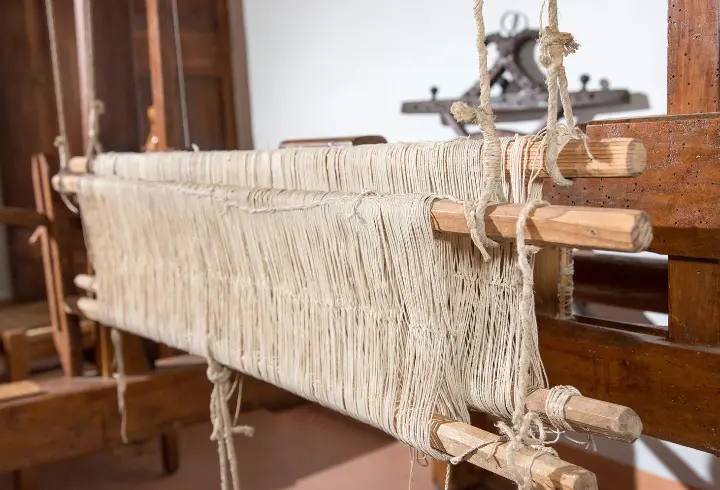
(5) Softness and Comfort
When subjected to cottonization (cotton-style processing), hemp fabric becomes soft and smooth, eliminating the itchiness and roughness associated with traditional hemp products.
Hemp fibers have a single-fiber length of 15–25 mm, a fineness of 15–30 microns, and a specific gravity of 1.48, making it lighter than linen. The tensile strength of a single hemp fiber also surpasses that of both linen and cotton.
The molecular structure of hemp fiber is arranged vertically, tightly, and neatly, with very high levels of crystallinity and orientation. As the finest of all bast fibers—closely resembling cotton—and featuring obtuse fiber ends, hemp processed with a cottonized finish provides an exceptionally soft hand-feel. Unlike other bast fibers such as Ramie or Linen, it does not require intensive chemical treatments to prevent a scratchy or coarse sensation.
III - Sustainable Development of the Hemp Industry
1. The Carbon Footprint of Hemp Cultivation
Hemp is a versatile, renewable, and high-value-added economic crop. Hemp fiber serves as a sustainable alternative to cotton, while hemp stalks can replace wood in the textile, construction, and automotive industries. Furthermore, hemp seeds can substitute petroleum for biofuel production, offering performance comparable to fossil diesel. Hempcrete (hemp concrete) is not only strong, durable, fireproof, and moisture-resistant but also functions as a carbon sink by absorbing CO₂.
The cultivation process requires no pesticides or synthetic fertilizers and needs almost no supplemental irrigation. Consequently, hemp possesses exceptional ecological, resource-efficient, and environmental protection characteristics.
Hemp exhibits a high tolerance for heavy metals, specifically cadmium; soil concentrations of up to 800 mg/kg do not significantly impact its growth. With its high biomass yield, hemp is particularly suitable for crop rotation, with fiber yields exceeding 100 kg per mu. The monolayer adsorption capacity of hemp for chromium, copper, silver, and cadmium ions is 367 mg/g, 1157 mg/g, 89 mg/g, and 140 mg/g, respectively.
Both the hemp plant and its fibers are excellent natural metal absorbers, providing a self-cleaning effect (phytoremediation) for water and soil resources.
Comparison of CO₂ Sequestration (Tons per Hectare):
• Hemp: 28.66
• Jute: 23.59
• Cotton: 14.01
2. Social Responsibility
Green Trends in the Hemp Textile Industry
The environmental and ecological risks posed by global warming are becoming one of the most serious threats to human survival. Reducing CO2 emissions has become the collective responsibility of all stakeholders within the hemp industry.
The China Bast and Leaf Fibers Textile Association is progressively promoting the integration of environmental responsibility into:
• Industry Value Systems
• Innovation Systems
• Governance Systems
Through these efforts, the association effectively drives ecological and sustainable development across the entire sector.
New Momentum for Sustainable Hemp Industry Growth
The de-globalization trends triggered by the COVID-19 pandemic have prompted nations to accelerate industrial restructuring to ensure supply chain security. The supply of hemp fiber has demonstrated a strong potential to substitute for flax (linen). Simultaneously, establishing a traceable green supply chain system for hemp has become a vital tool for industry associations to promote the holistic advancement of hemp textiles.
Hemp cultivation’s advantage as a carbon sink, combined with the eco-friendly and sustainable concepts of hemp textiles as a new economic force, will provide a critical foundation for the industry’s rapid expansion.
Aligning with New Consumer Upgrading Trends
Phù hợp với xu hướng nâng cấp tiêu dùng mới
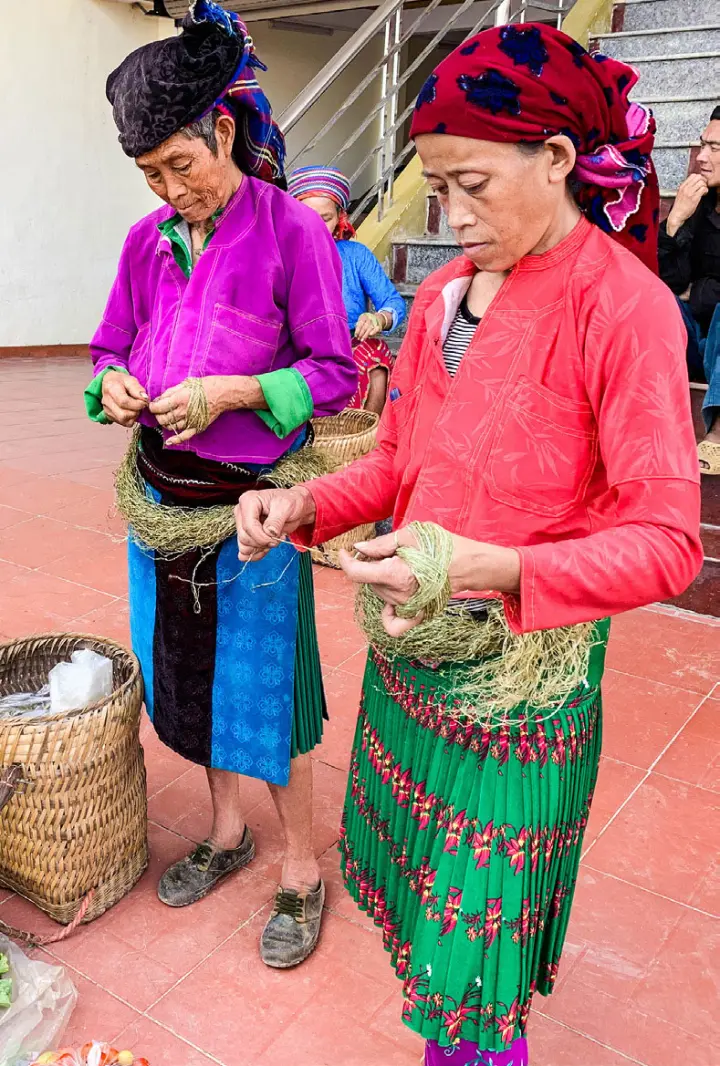
Domestic consumer upgrading trends are leading the market, where values such as green, healthy, safe, and comfortable are increasingly becoming fundamental consumer requirements for textiles and apparel. Particularly in the post-pandemic context, consumers are prioritizing health and safety. The green consumption trend offers a compatible market orientation for the textile industry within the overall domestic consumption cycle.
IV - Strategy for Carbon-Balanced Development in the Hemp Textile Industry
1. Enhancing Cultivation and Fiber Processing
The hemp industry requires continuous S&T (Science and Technology) innovation to advance seed breeding, cultivation techniques, specialized machinery, and new raw material processing technologies. This extends to manufacturing processes, product development, and comprehensive utilization (using the entire plant). Simultaneously, support services in information, sales, and distribution must be strengthened to foster holistic collaboration. Developing superior seed varieties and focusing on green production of industrial hemp will be key to expanding into new industrial applications.
2. Promoting Corporate Energy Optimization
Enterprises should be guided and supported in establishing low-energy and low-water consumption projects. There is a strong encouragement to increase the proportion of secondary energy and integrate renewable energy sources, such as solar power.
Key initiatives include:
+ Implementing CO₂ emission accounting at the corporate level.
+ Establishing "Dual Reduction" demonstration models (simultaneously reducing air pollution and carbon emissions).
+ Applying smart technology in spinning, weaving, dyeing, finishing, and garment assembly to enhance labor productivity.
+ Accelerating the development of energy-saving and low-carbon standards for green factory design.
3. Advancing Green Manufacturing Technologies
Centering on green-tech industrial chains is essential to minimize pollutant generation. The focus is on systematic pollution prevention and control throughout the entire production lifecycle.
Promote the transition to cleaner production by continuously reducing the generation and discharge of key pollutants, such as Chemical Oxygen Demand (COD), ammonia nitrogen, and nitrogen oxides. Encourage hemp fiber processing and textile enterprises to develop production processes that utilize less water and fewer chemicals. Furthermore, expand the use of recycled water, reclaimed water, and other non-traditional water sources. Strengthen water management through the integration and optimization of water systems, while simultaneously establishing demonstration projects for typical green production processes and exemplary model enterprises.
4. S&T Innovation as the Core Driver
Continuous scientific and technological innovation is the fundamental solution for the low-carbon development of the hemp industry. Through technological breakthroughs in integrated utilization and the enhancement of product added value, hemp is poised to become a leading material in the "green frontier" of new materials, energy technologies, and advanced industrial processes.
All About Hemp Fabric: The Sustainable Material Sourced in Vietnam