
1. One of the Most Common Misconceptions About Natural Dyes
When people first hear the term natural dyes, one question often comes to mind:
"If these colors come from plants, do they fade more quickly than synthetic dyes?"
It is a reasonable concern. For decades, consumers have become accustomed to products colored with synthetic dyes that offer highly consistent shades and long-lasting visual uniformity. As a result, many assume that natural dyes must be less durable simply because they are derived from nature. The reality, however, is more nuanced.
The durability of a color depends on far more than whether it comes from a natural or synthetic source. Factors such as the dye material itself, the dyeing technique, the textile fiber, finishing processes, and even daily care all play important roles in determining how a color performs over time.
To truly understand the longevity of natural dyes, it is essential to explore how color bonds with fibers and how those colors evolve throughout the life of a product.
2. Color Fastness Is More Than Just Resistance to Fading
When most people think about color durability, they immediately think about washing.
However, in the textile industry, color fastness refers to a much broader range of performance characteristics. It includes a fabric's ability to resist fading from laundering, sunlight, friction, moisture, and everyday use.
A dye may perform exceptionally well during washing but be more sensitive to prolonged sun exposure. Another may maintain its appearance under natural light while gradually changing after years of regular use.
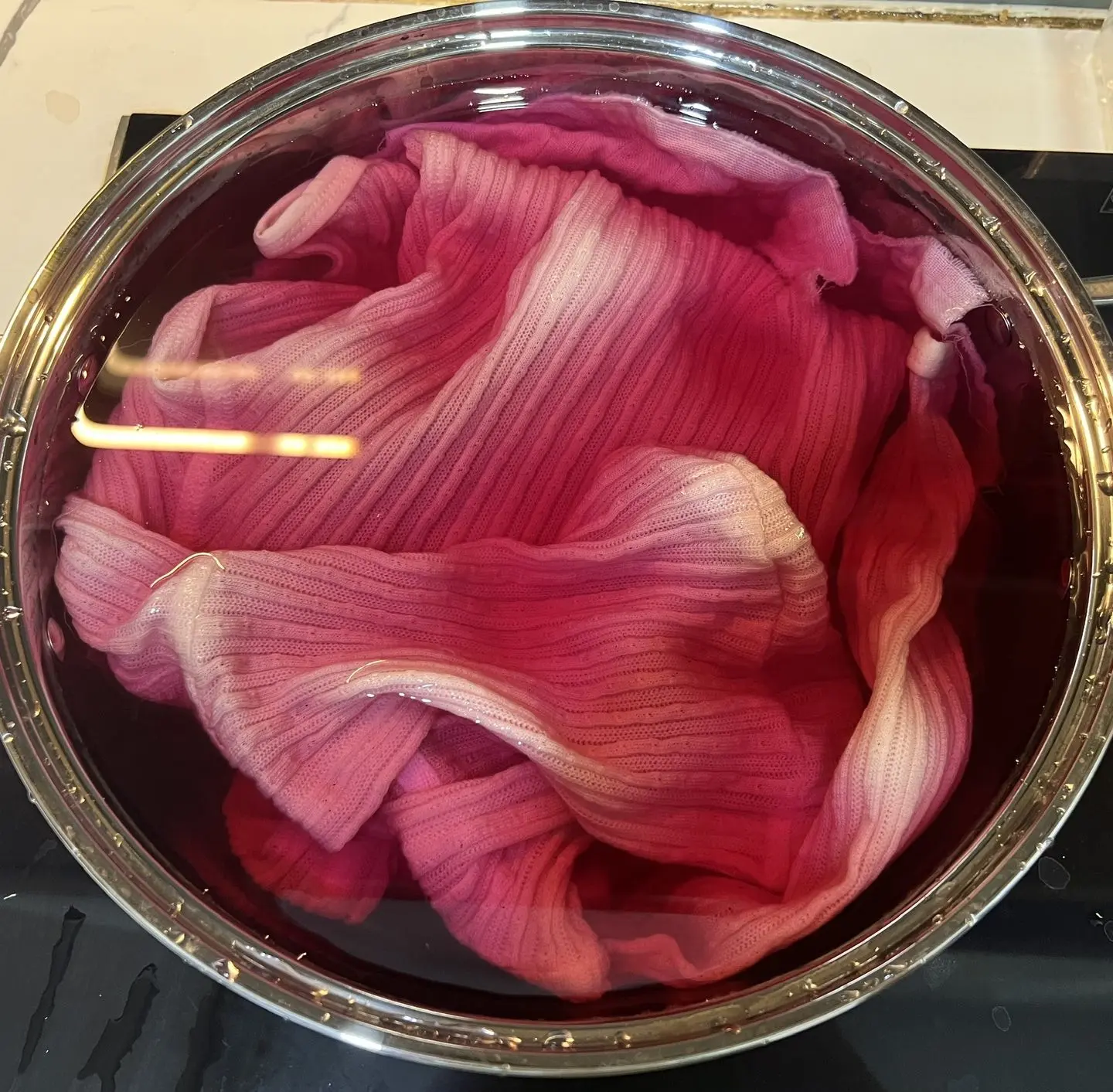
This applies to both natural and synthetic dyes. No dye system is perfectly resistant to every environmental factor. Each has its own strengths, limitations, and unique aging characteristics. Understanding durability therefore requires looking beyond a simple question of whether a color fades or not.
3. Natural Dyes Have Proven Their Longevity for Centuries
If natural dyes were inherently unstable, they would not have survived throughout human history.
Across museums, historical collections, and cultural archives around the world, naturally dyed textiles continue to showcase colors that have endured for hundreds of years. Shades produced from indigo, madder, gallnut, and other botanical materials remain visible today, offering evidence of the remarkable longevity that natural dyes can achieve when properly processed.
Indigo, for example, is widely recognized as one of the most durable natural dyes ever discovered. Its exceptional color fastness contributed to its widespread use in workwear, traditional garments, and eventually denim production around the world.
Similarly, dyes derived from madder root, myrobalan, and tannin-rich botanical sources have long been valued for their ability to create stable and lasting colors on natural fibers.
The key lies not only in the dye itself but also in the expertise behind the dyeing process and the compatibility between dye materials and textile fibers.
4. Why Natural Dyes Change Over Time
One of the most distinctive qualities of natural dyes is that they often evolve rather than remain completely unchanged.
For many people who appreciate natural materials, this is not a disadvantage. In fact, it is part of their appeal.
An indigo-dyed textile, for example, gradually develops unique fading patterns that reflect how it has been worn and used. Botanical colors may soften subtly over time, creating a patina that feels personal and authentic.
This process is similar to the way natural wood deepens in character with age or how fine leather develops a rich patina through years of use. The material does not lose its beauty—it gains new layers of it.
Natural dyes are often described as "living colors" because they continue to interact with their environment throughout their lifespan. Rather than resisting time completely, they age gracefully alongside the people who use them.
5. What Influences the Durability of Natural Dyes?
The longevity of natural dyes depends on a combination of factors.
a. Quality of the Dye Material
Plants harvested at the right stage of growth and processed correctly tend to produce stronger and more stable pigments. The quality of the raw material directly affects the performance of the final color.
b. Textile Fiber Selection
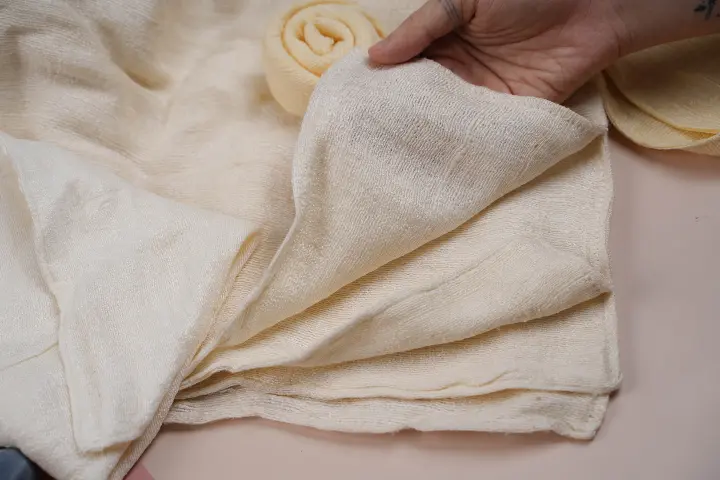
Natural fibers such as organic cotton, cotton, linen, and hemp generally form stronger relationships with botanical dyes than many synthetic fibers. This compatibility helps improve color retention and overall durability.
c. Dyeing Techniques
Preparation methods, mordanting processes, dye extraction, and finishing treatments all influence how effectively pigments bond to fibers. Skilled craftsmanship is often the determining factor in achieving long-lasting results.
d. Daily Use and Environmental Exposure
Sunlight, frequent washing, harsh detergents, and high temperatures can all affect color over time. While natural dyes are durable, proper care helps preserve their beauty for longer.
6. Caring for Naturally Dyed Textiles
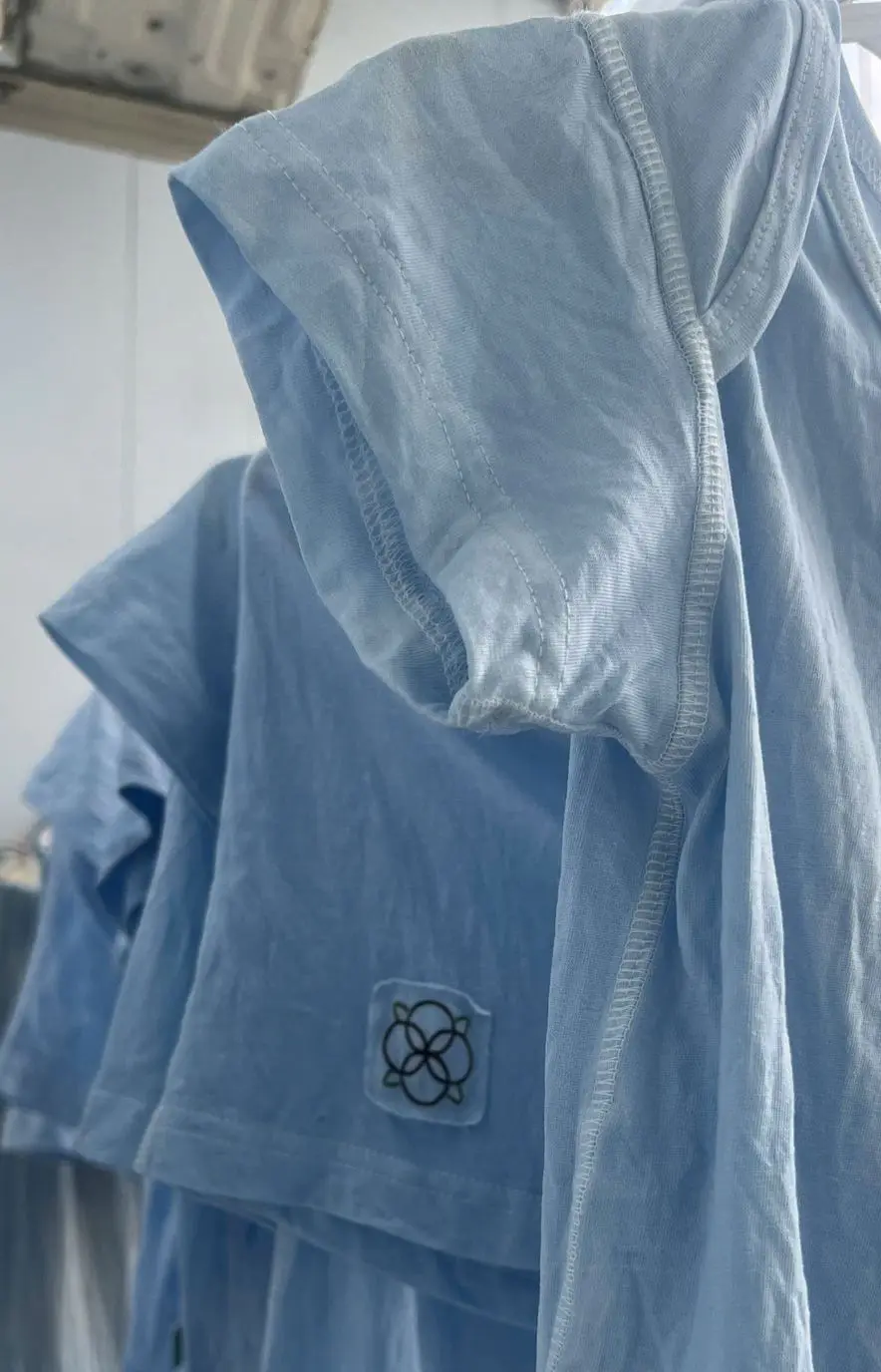
One of the advantages of naturally dyed products is that they do not require complicated maintenance.
Simple care practices can help extend the life of both the fabric and its color:
- Wash with cold or lukewarm water.
- Choose gentle, pH-balanced detergents.
- Avoid bleach and harsh chemical cleaners.
- Dry in shaded, well-ventilated areas whenever possible.
- Wash only when necessary rather than excessively.
These habits not only help preserve color but also contribute to a more sustainable approach to textile care.
7. Durability Is About More Than Color Retention
When discussing sustainability, people often focus solely on whether a color fades. However, true durability encompasses much more than maintaining the exact same appearance indefinitely.
A durable textile is one that continues to offer beauty, comfort, and functionality over many years. It is a product that ages gracefully rather than becoming disposable. It is something that develops character through use instead of losing value. Their durability is not defined by resisting every sign of change but by remaining beautiful throughout those changes.
The Beauty of Colors Shaped by Time
Natural dyes are not designed to fight against time. They are designed to exist with it.
Like wood, leather, and other natural materials, botanical colors possess the ability to mature beautifully when cared for properly. Their appearance may evolve, but their connection to nature remains visible throughout that journey.
At Mimi, we believe the value of a product is not measured by its ability to remain frozen in time. Instead, it is measured by how well it continues to enrich everyday life year after year. Because sometimes the most enduring beauty is not found in staying exactly the same.
It is found in growing more meaningful with time.
Are Natural Dyes Durable? Understanding the Longevity of Plant-Based Colors