
1. Nature Has Always Held Its Own Palette
When we think about color today, we often imagine paint charts, digital color codes, or seasonal design trends. Yet long before colors could be manufactured in laboratories, nature had already created an extraordinary palette of its own.
These colors could be found in leaves swaying in the wind, roots growing quietly beneath the soil, fruit shells left behind after harvest, and countless other materials hidden in plain sight. They were never intended for fashion, textiles, or interior design. Instead, they emerged naturally as part of ecosystems shaped by climate, geography, and time.
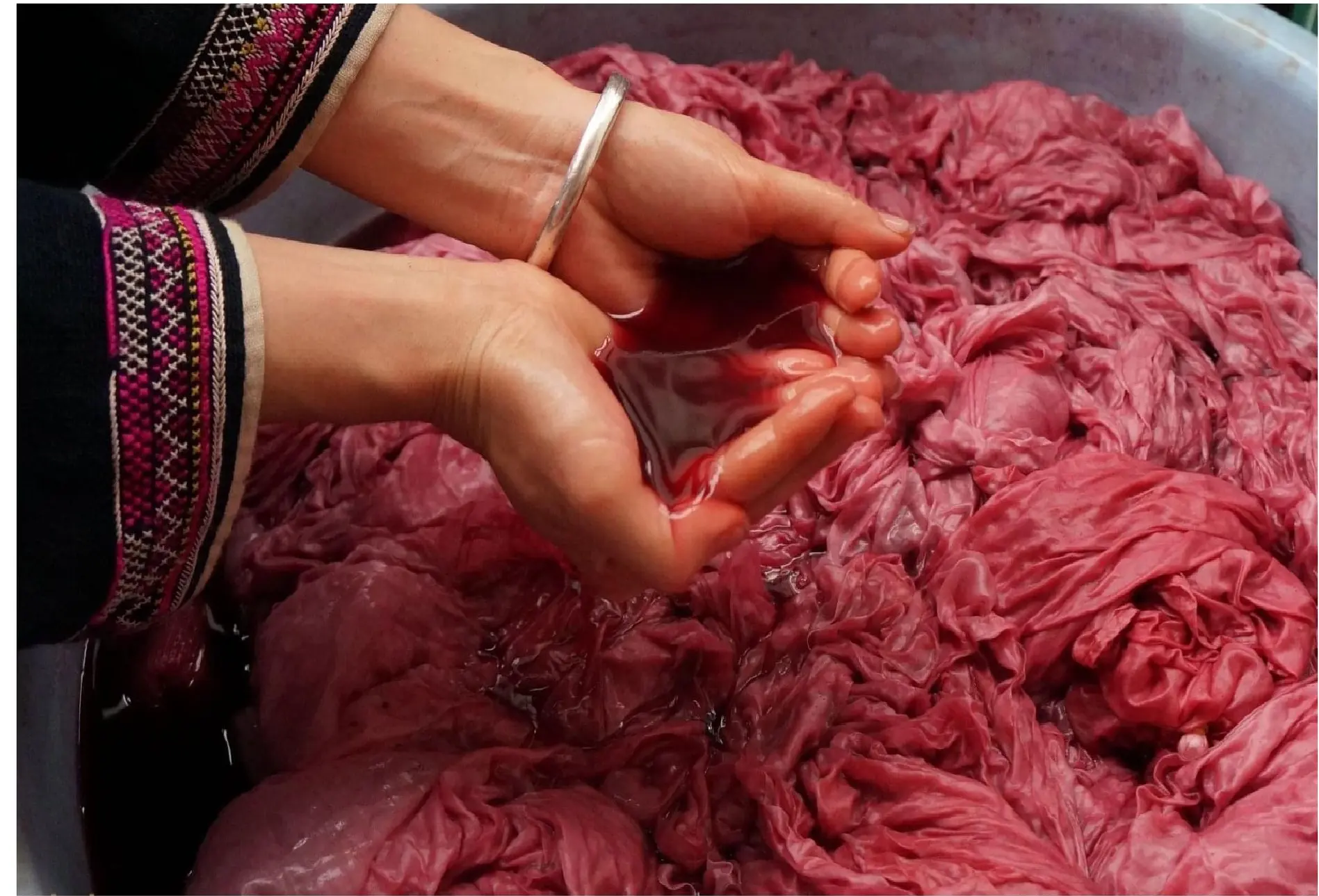
What makes natural dyes so fascinating is not only the colors they produce, but also the stories behind them. Every dye material carries traces of the landscape where it originated and the traditions that discovered its potential. Unlike synthetic colors designed for consistency, natural dyes reflect the beauty of variation and the richness of their origins.
In the COOL collection, eight distinctive colors are created from eight natural ingredients. Each shade has its own character, its own journey, and its own story to tell.
2. Eigth colors of COOL collection
a. Yellowish Brown: The Warmth of Chestnut Shells
Few people would imagine that something as humble as a discarded chestnut shell could become the source of a beautiful natural color.
Rich in tannins, chestnut shells have long been valued in traditional dyeing for their ability to produce warm yellow-brown tones. When carefully extracted and applied to textile fibers, they create shades reminiscent of weathered wood, fertile earth, and autumn forests bathed in soft sunlight.
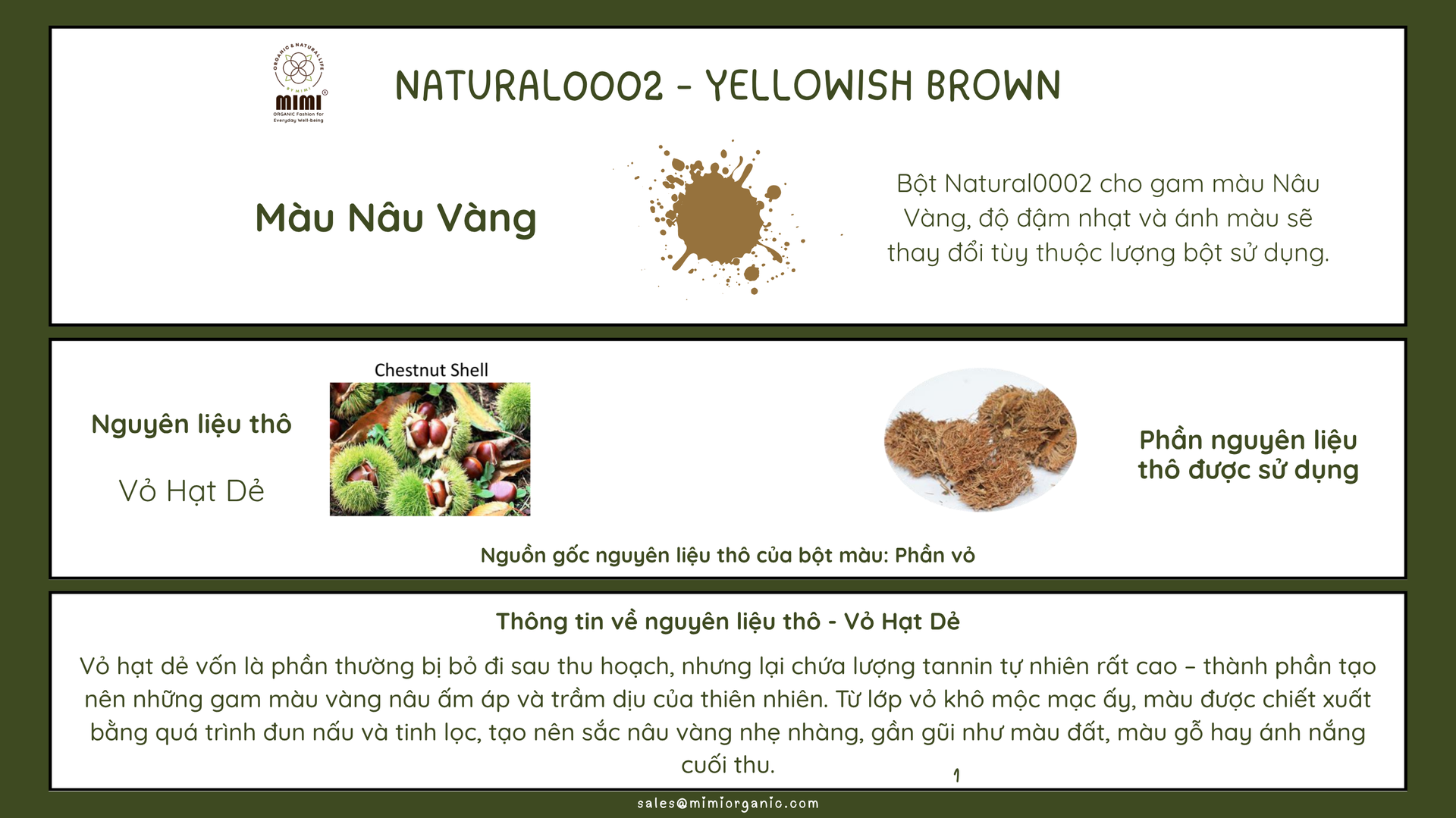
Yellowish Brown is not a color that immediately demands attention. Instead, its beauty lies in its quiet presence. It brings warmth and comfort to a space, complementing natural materials such as cotton and linen with effortless elegance.
Perhaps this is why chestnut shell dye feels so timeless. It reminds us that beauty often comes from the simplest and most overlooked parts of nature.
b. Pink Purple: The Vibrant Beauty of Lac
Among the colors found in natural dyeing traditions, Pink Purple is one of the most surprising.
This distinctive shade comes from lac, a natural resin produced by insects that live on certain trees. For centuries, lac has been used throughout Asia as a valuable source of rich pink, crimson, and purple tones.
Unlike many modern pinks that appear bright and synthetic, Pink Purple derived from lac possesses remarkable depth and complexity. It combines the freshness of pink with the sophistication of violet, creating a color that feels both lively and refined.
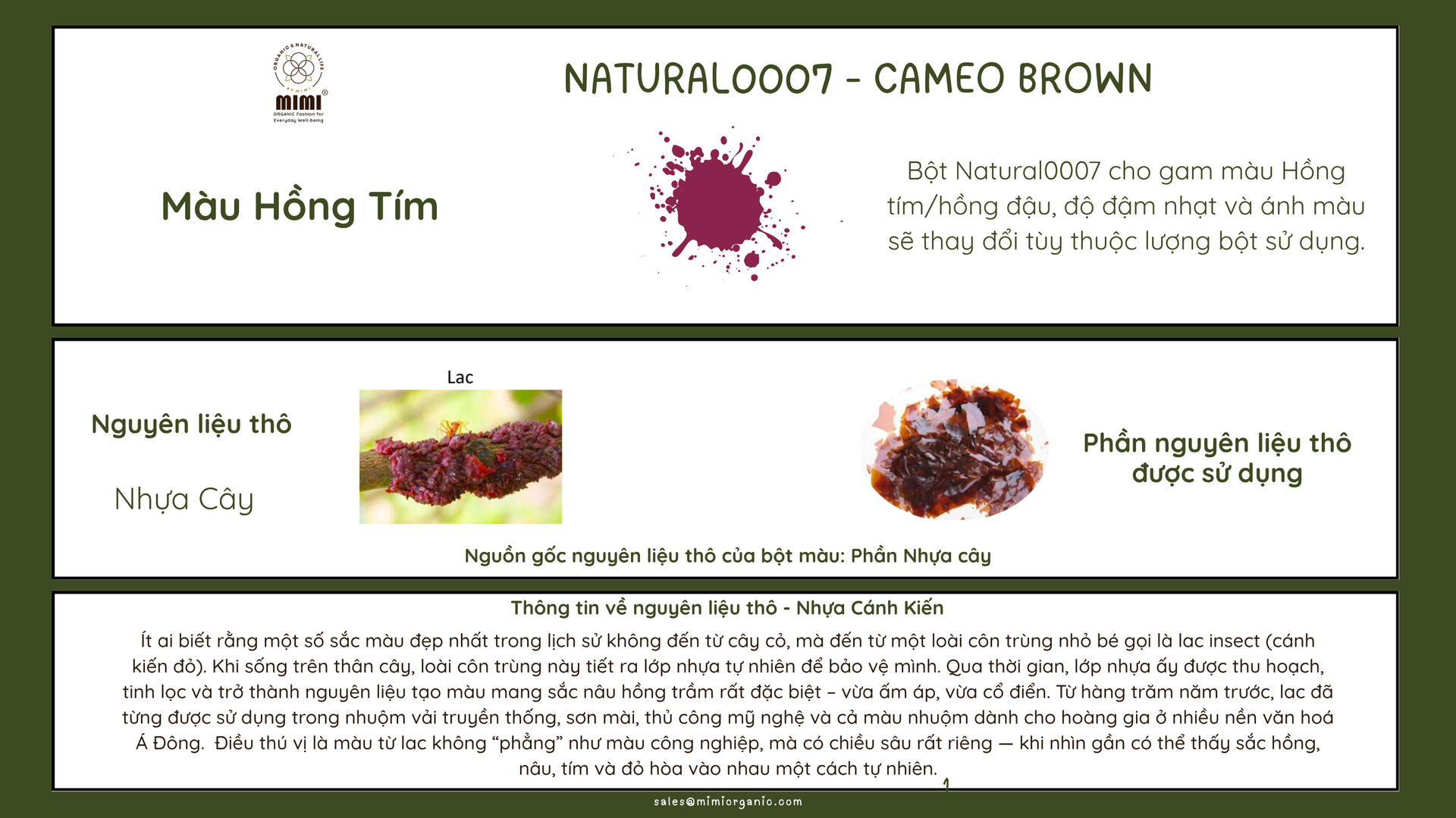
The result is a shade that evokes blooming flowers, evening skies, and the delicate balance between softness and strength. It is a color that celebrates individuality while remaining deeply connected to nature.
c. Watermelon Red: A Color Hidden Beneath the Earth
Some of nature's most beautiful colors come from places we rarely see.
Watermelon Red begins with the roots of the madder plant, which grow quietly underground for years before revealing their extraordinary dyeing potential. Madder has been used for thousands of years across Europe, Asia, and the Middle East, making it one of the oldest and most celebrated natural dye sources in human history.
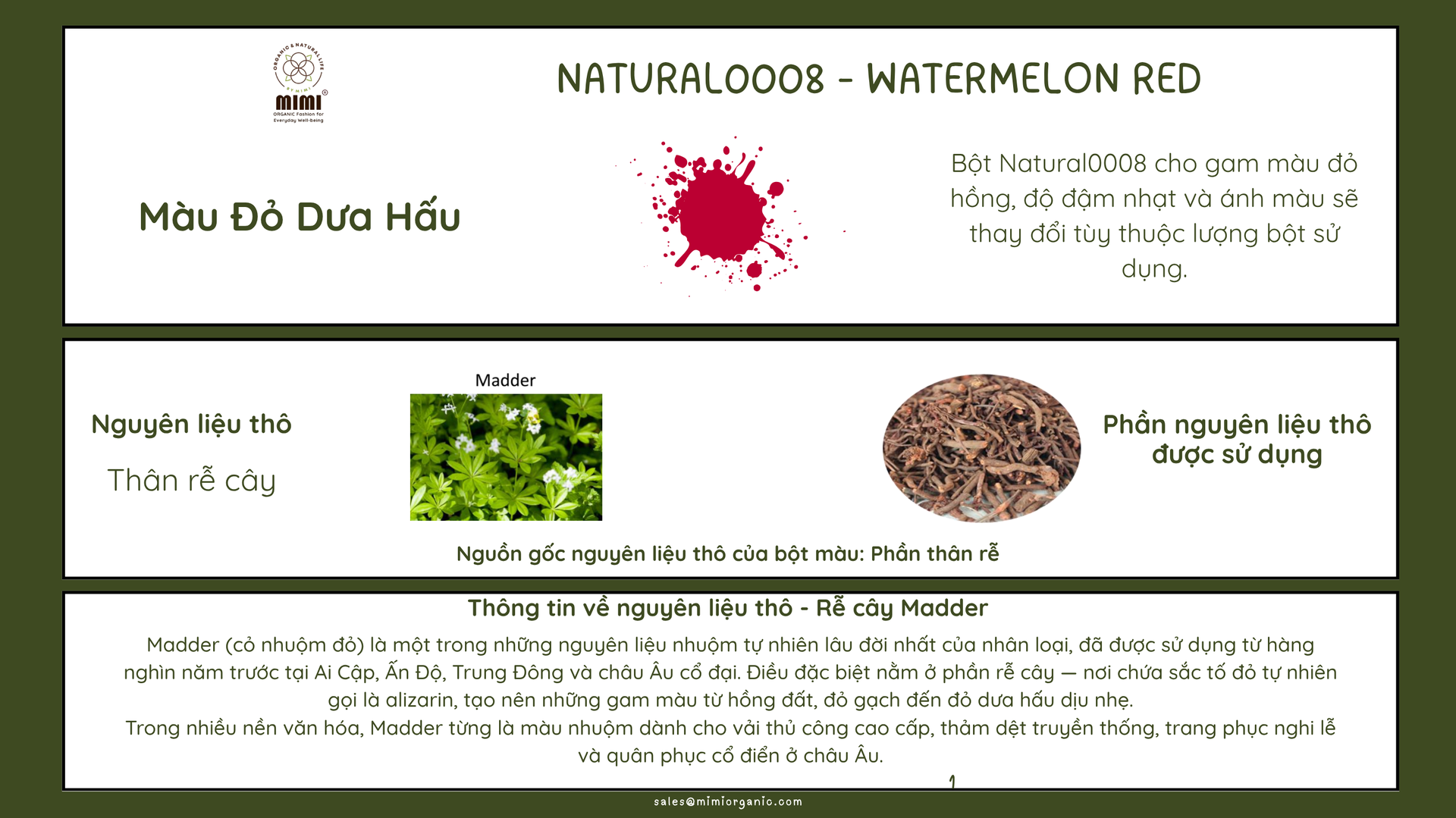
What makes madder remarkable is its versatility. Depending on the dyeing process, it can produce a spectrum of colors ranging from soft blush tones to deep terracotta reds. Within the COOL collection, Watermelon Red captures a brighter and more energetic expression of this ancient dye.
The shade recalls summer fruits, warm sunlight, and the vitality of nature during its most abundant season. While vibrant, it still retains the gentle complexity that defines naturally derived colors.
d. Indigo: The Blue Created by Air
Few natural dyes inspire as much fascination as indigo.
Its story begins with green leaves, yet somehow ends with one of the most iconic blues in textile history. The transformation occurs through a process of fermentation and oxidation that has amazed artisans for generations. When fabric is first removed from an indigo dye bath, it often appears yellow-green rather than blue. Only after exposure to oxygen does the familiar blue color gradually emerge, deepening as the fabric interacts with the air.
This transformation feels almost magical, even today.
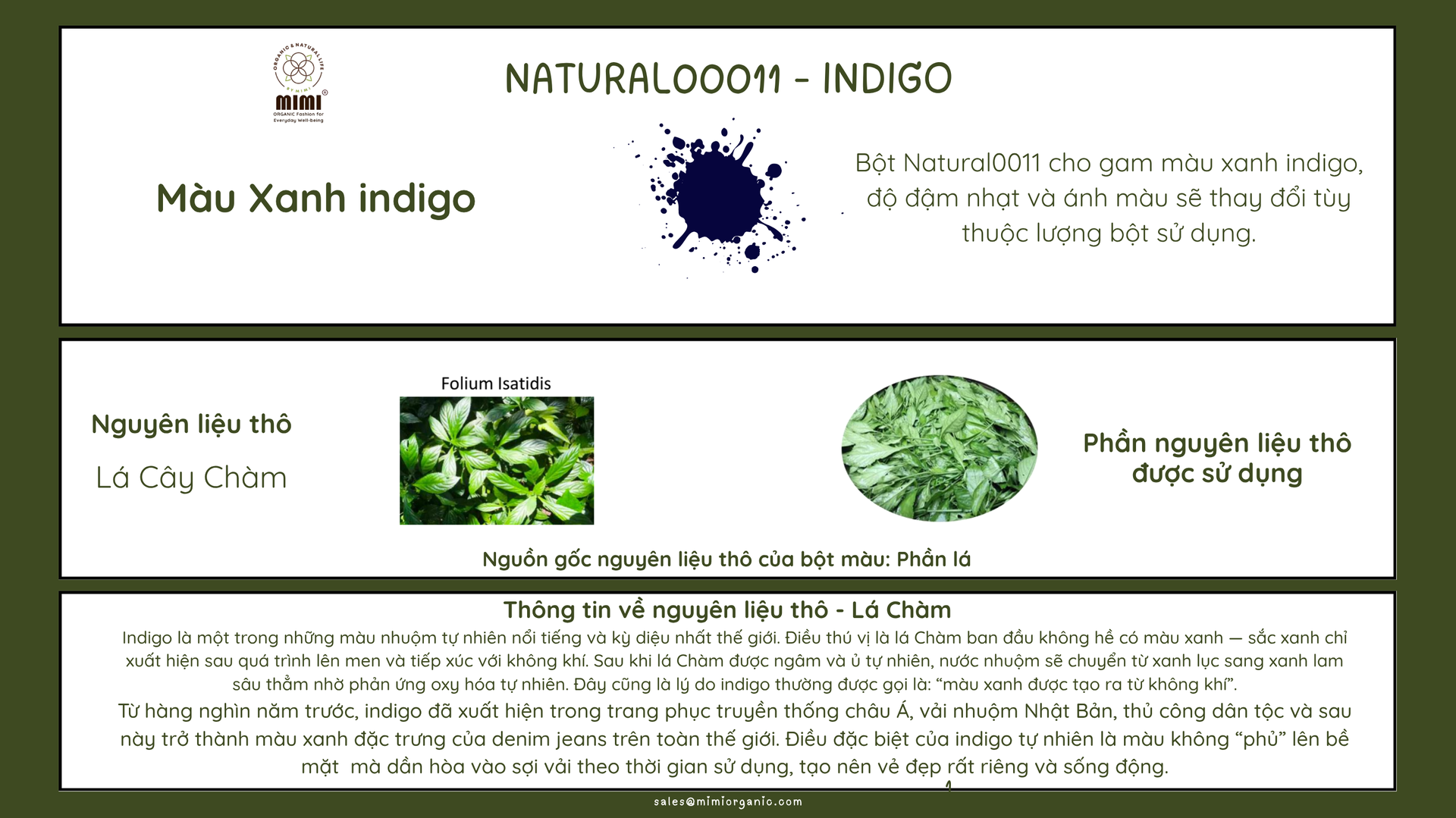
Indigo is often associated with calmness, depth, and resilience. Its shades can range from pale sky blue to deep navy, evoking oceans, horizons, and open landscapes. Across cultures and centuries, indigo has remained beloved not only for its beauty but also for the remarkable process through which it comes to life.
e. Grey: The Quiet Elegance of Gallnut
In a world filled with bold and attention-grabbing colors, Grey offers something different.
This subtle shade is derived from gallnut, a natural material rich in tannins that has played an important role in traditional dyeing practices for centuries. Through careful processing, gallnut can produce sophisticated grey tones that feel both understated and timeless.
Grey often evokes images of stone, mist, weathered landscapes, and quiet mornings. It is a color that encourages stillness rather than excitement, making it particularly appealing in spaces designed for rest and reflection.
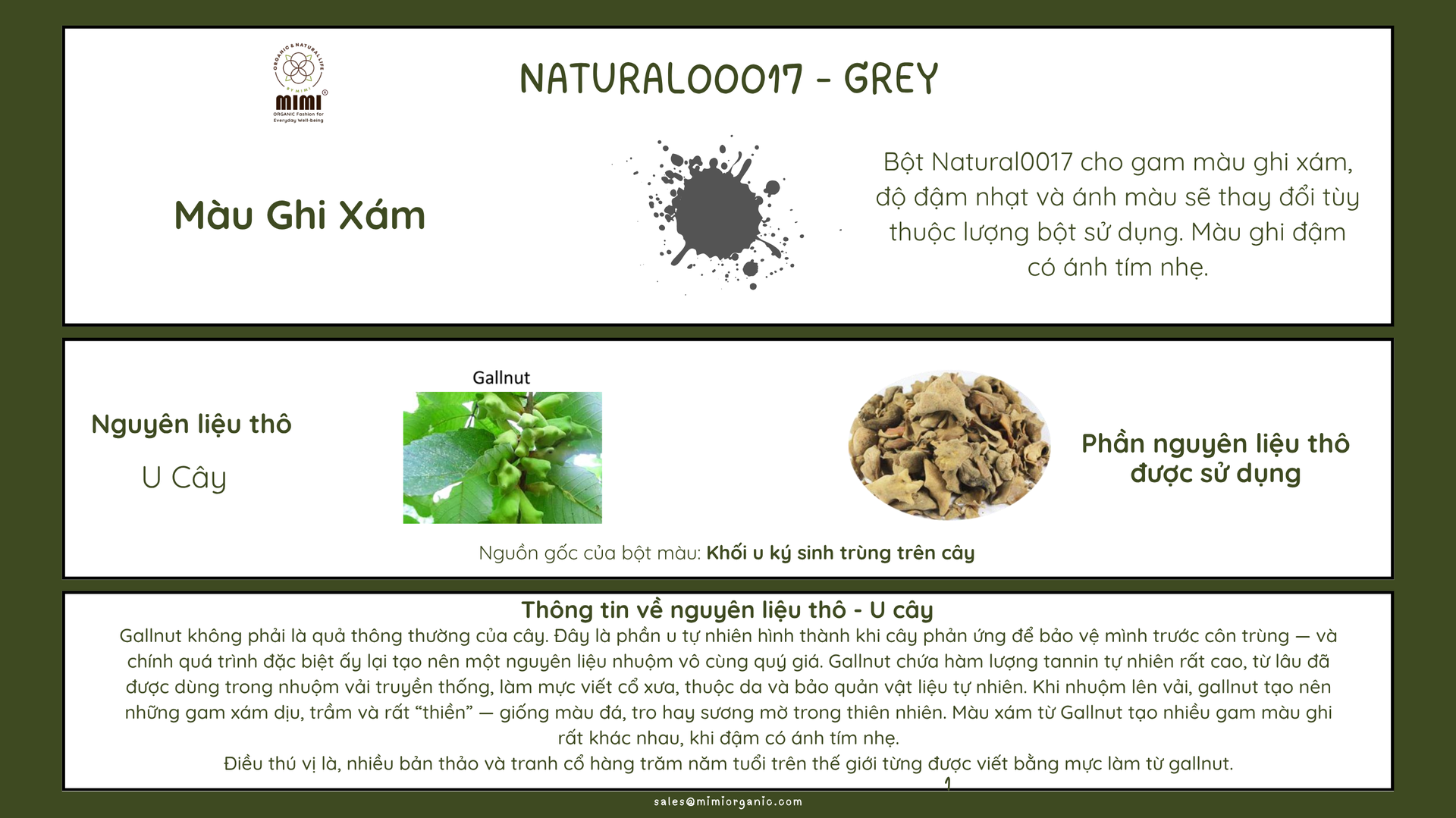
Its beauty lies in restraint. Rather than dominating its surroundings, Grey creates harmony and balance, allowing other natural elements to shine.
f. Black: A Collaboration Between Myrobalan and Gallnut
Creating black through natural dyeing is a fascinating challenge.
Unlike synthetic black dyes, which can be produced quickly and uniformly, natural black often emerges through the interaction of multiple ingredients working together. In the COOL collection, Black is achieved through the combination of myrobalan and gallnut, both of which are rich in tannins.
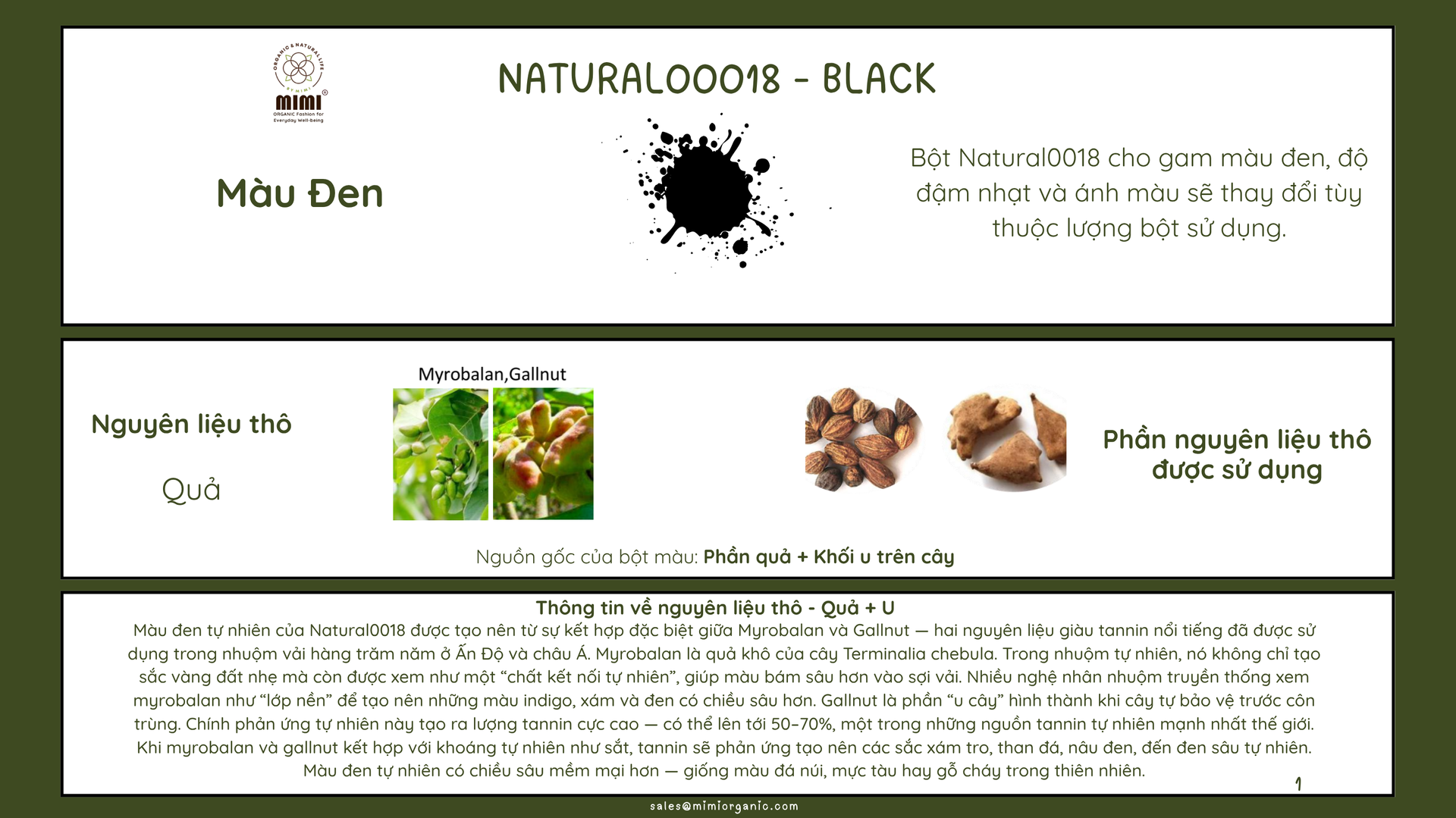
The resulting color possesses a depth and complexity that differs from industrial blacks. Instead of appearing flat or opaque, it reveals subtle layers and undertones when viewed closely.
This richness gives natural black a unique character. It recalls dark wood, fertile soil, and materials shaped slowly by time and nature. The color feels grounded, sophisticated, and enduring.
g. Green: The Gentle Freshness of Mulberry Leaves
Green is perhaps the color most closely associated with life itself.
In the COOL collection, this soothing shade is derived from mulberry leaves, a material deeply connected to many Asian cultural traditions. The resulting color is softer and more delicate than the bold blue-green tones often associated with synthetic dyes.
Green from mulberry leaves evokes the freshness of spring gardens, newly emerging foliage, and the peaceful feeling of walking through nature after rainfall. It carries a sense of renewal and balance that feels both comforting and uplifting.
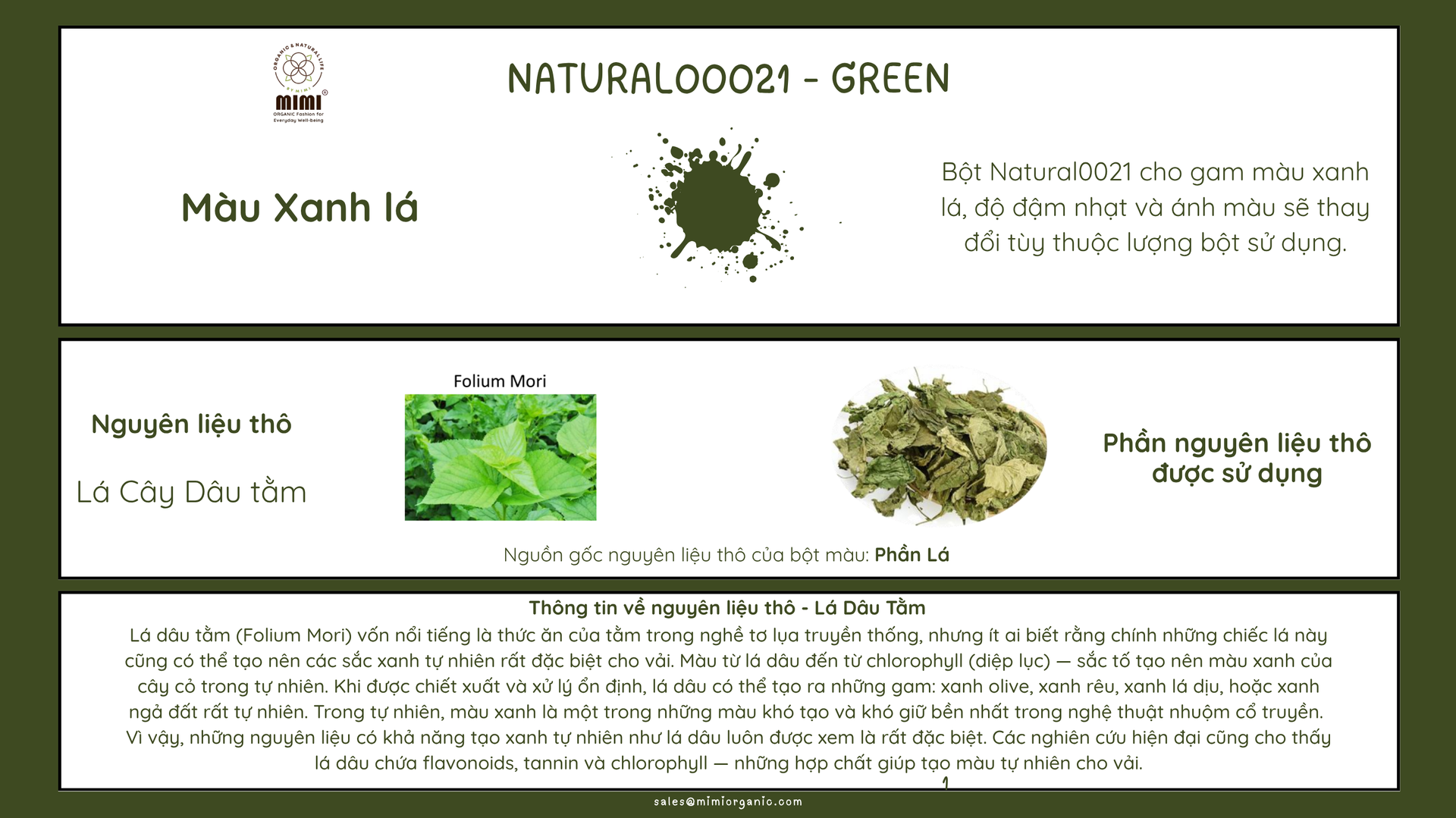
As a natural dye, it reminds us of the close relationship between color and the living world from which it originates.
h. Pink: The Warm Glow of Acacia
If Indigo reflects the depth of the sky and Green celebrates the vitality of leaves, Pink from Acacia captures the warmth of the setting sun.
Acacia can produce a range of delicate pinks, blush tones, and soft peach hues that feel effortlessly elegant. These colors are never overwhelming. Instead, they bring a gentle warmth that enhances both textiles and interiors.
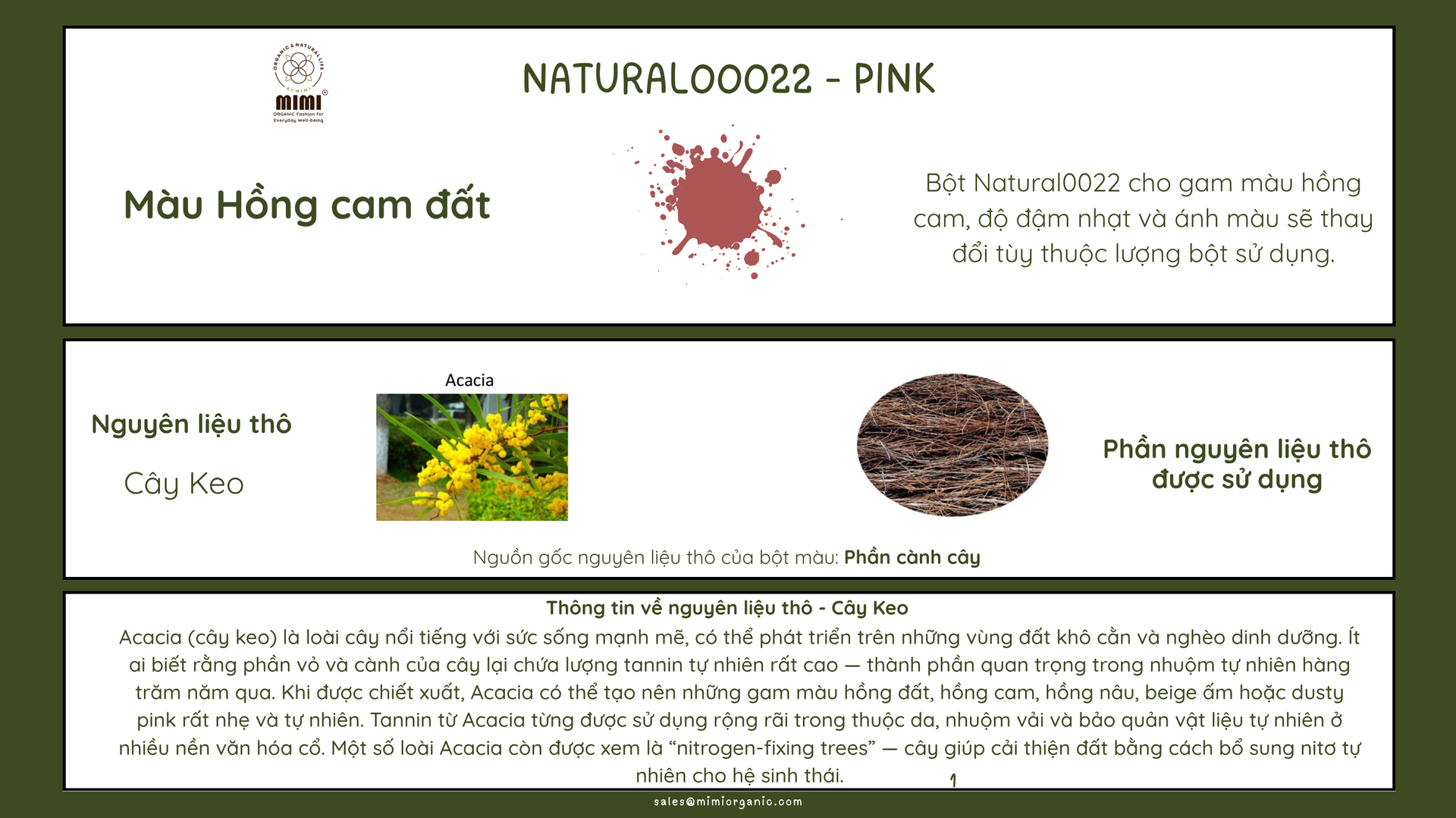
The shade recalls dried flowers, sunset skies, and quiet autumn afternoons. It is a color associated with comfort, calmness, and moments of reflection.
Acacia demonstrates how even the most delicate colors can possess remarkable character when they come directly from nature.
3. When Every Color Carries a Piece of Nature
What makes natural dyes truly special is not simply the appearance of the final color, but the journey behind it.
A warm brown may begin with a chestnut shell that would otherwise be discarded. A vibrant red may emerge from roots hidden beneath the earth. A deep blue may require the combined forces of leaves, fermentation, and oxygen. A rich black may be created through the interaction of multiple natural ingredients working together.
Every shade tells a story of place, season, craftsmanship, and time.
At Mimi, we believe colors are more than visual experiences. They are a way of connecting with nature, understanding the origins of materials, and appreciating the beauty that exists within the natural world.
Because behind every beautiful color lies something even more meaningful—a story waiting to be discovered.
Every Color Has a Story: A Journey Through Natural Dye Ingredients