
1. When Difference Is Not a Flaw
In today's industrial world, consistency is often considered the ultimate measure of quality. We have become accustomed to products that look identical, whether they are garments, home textiles, or everyday consumer goods. A specific color is expected to remain exactly the same across thousands of items, regardless of when or where it is produced.
For many people, this expectation carries over when they first encounter naturally dyed products. They may notice that one blanket appears slightly warmer in tone than another, or that a shade of blue looks a little deeper in a newer production batch. At first glance, these subtle differences can seem unexpected.
In natural dyeing, however, variation is not a manufacturing defect. It is one of the defining characteristics of the craft.
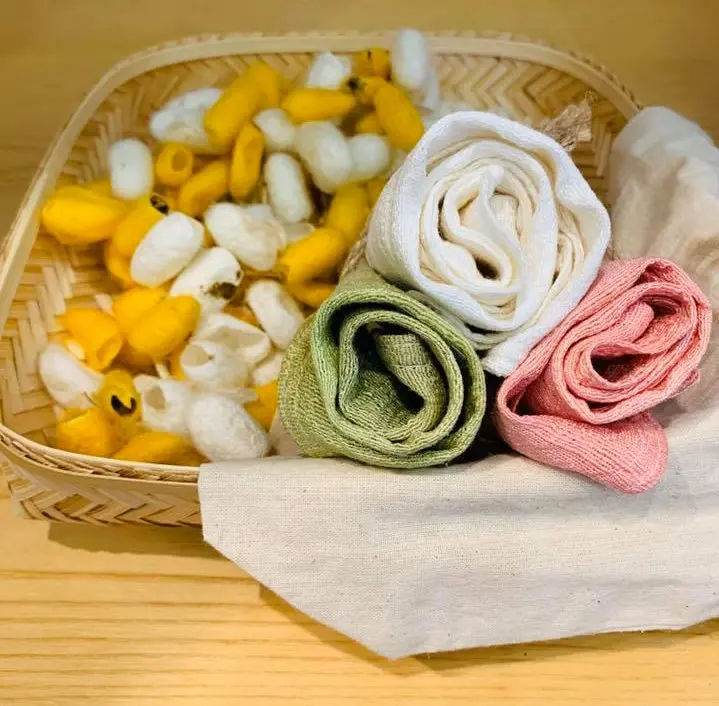
Rather than reflecting inconsistency, these small shifts in color reveal the living origins of the materials themselves. They remind us that natural dyes come from plants, roots, leaves, bark, and other organic sources that are constantly influenced by the changing conditions of the natural world. What some industries would consider an imperfection is, in natural dyeing, part of the beauty.
2. Nature Does Not Operate Like a Laboratory
To understand why naturally dyed textiles can vary from one batch to another, it is important to recognize that natural materials are fundamentally different from synthetic chemicals.
A plant harvested in early spring is not identical to one harvested at the end of summer. Soil composition, rainfall, sunlight, temperature, and local climate all influence the development of pigments within a plant. Even when the same species is grown in the same region, seasonal changes can affect the concentration and character of the color-producing compounds it contains.
As a result, natural dye materials are never completely uniform. Unlike synthetic dyes manufactured according to precise chemical formulas, natural dyes reflect the conditions in which their source materials grew. Every harvest carries subtle differences, and those differences become part of the final color.
This connection to nature is what makes natural dyeing both challenging and extraordinary. Each color tells a story about the environment from which it originated.
a. Every Harvest Creates a Unique Palette
Experienced natural dyers often describe colors not as fixed formulas but as expressions of a particular season.
Giống như không có hai mùa thu nào hoàn toàn giống nhau, không có hai vụ thu hoạch nguyên liệu nào cho ra kết quả giống hệt nhau.
Just as no two summers are exactly alike, no two harvests produce identical dye materials. A year with abundant sunshine may result in stronger pigment development. A wetter season may influence the brightness or depth of certain colors. Temperature fluctuations, growing conditions, and harvest timing can all contribute to subtle variations in the final result.
These changes are often so slight that they may only be noticeable when two dye lots are compared side by side. Yet they are enough to give each production batch its own distinctive character.
Rather than seeing these variations as a problem, many artisans embrace them as a reflection of authenticity. They are evidence that the color was created by nature, not manufactured according to an artificial formula. Every batch becomes a record of a particular moment in time—a visual reflection of a specific harvest and season.
b. The Human Element Behind Every Shade
Natural dyeing is shaped not only by the materials themselves but also by the hands that work with them.
Even with carefully documented methods and years of experience, natural dyeing remains a process that requires observation, adjustment, and expertise. Water quality, temperature, pH levels, dye concentration, and immersion time all influence the final color.
Skilled artisans learn to work with these variables rather than against them. Instead of forcing nature into absolute uniformity, they respond to the characteristics of each batch of dye material and adapt their process accordingly.
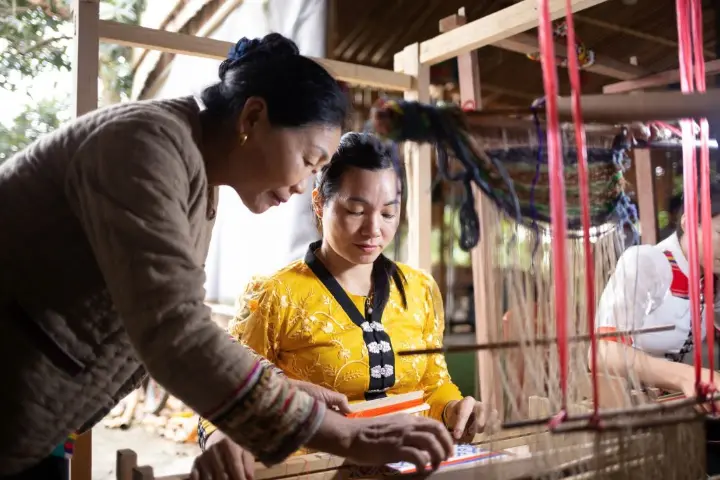
This relationship between craftsmanship and nature is one of the reasons natural dyeing is often considered both a science and an art.
The goal is not to eliminate every variation, but to guide the process toward the most beautiful expression of the material.
c. Authenticity Lives in the Details
In many areas of design, the most valuable materials are those that display natural variation.
No two marble slabs share the same veining. No two pieces of wood have identical grain patterns. Handmade ceramics often contain subtle differences in texture, shape, and finish. These characteristics are celebrated because they reveal the authenticity of the material and the process behind it.
The slight differences in color from one piece to another are evidence that the fabric has been dyed using real botanical materials rather than synthetic substitutes. They reflect the influence of seasons, harvests, and craftsmanship in a way that machine-made products cannot replicate.
Far from diminishing value, these details enhance it. They transform a product from something mass-produced into something uniquely connected to the natural world.
3. Learning to See Color Differently
Natural dyeing invites us to reconsider our relationship with perfection.
Modern manufacturing often encourages us to associate quality with uniformity. Yet nature rarely produces identical copies. Every leaf has a different shape. Every flower blooms in its own way. Every landscape changes with the seasons.
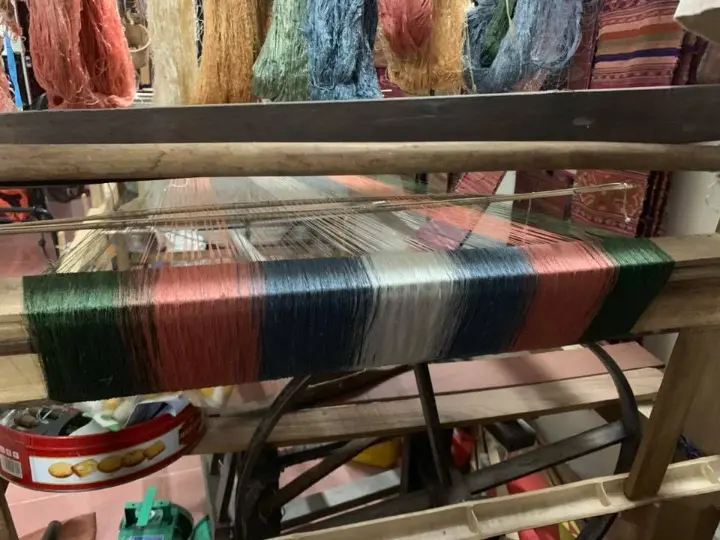
Natural dyes follow the same principle. Their beauty lies not in perfect repetition but in subtle individuality. The small differences that emerge from batch to batch remind us that these colors are alive with the influence of the environment from which they came.
Instead of seeking flawless consistency, natural dyeing encourages appreciation for uniqueness, craftsmanship, and the quiet beauty of variation. It offers a different perspective - one that values authenticity over perfection.
4. The Beauty of a Moment That Cannot Be Repeated
Every naturally dyed textile is the result of a specific combination of materials, conditions, and timing.
Khi nhìn theo cách đó, những khác biệt nhỏ về sắc độ không còn là điều cần được loại bỏ. Chúng trở thành một phần của câu chuyện. It reflects a particular harvest, a particular dye bath, and a particular moment in nature that will never exist in exactly the same way again.
Seen through this lens, color variation becomes something meaningful rather than something to correct. It becomes evidence of the journey from plant to pigment, from nature to textile.
t Mimi, we view these subtle variations as a sign of authenticity.
They represent the living origins of our colors and the natural processes that shape them. Rather than striving for absolute sameness, we celebrate the individuality that makes each piece unique.
Because sometimes, the most beautiful things are those that cannot be perfectly repeated.
No Two Colors Are Ever Exactly the Same: The Beauty of Variation in Natural Dyeing